In SEO and online marketing, SERP is a key concept that should be familiar to anyone looking to increase their online presence. If you are a business owner, marketer, or member of a digital agency, understanding how search engines present search results can go a long way toward driving your growth.
What is SERP?
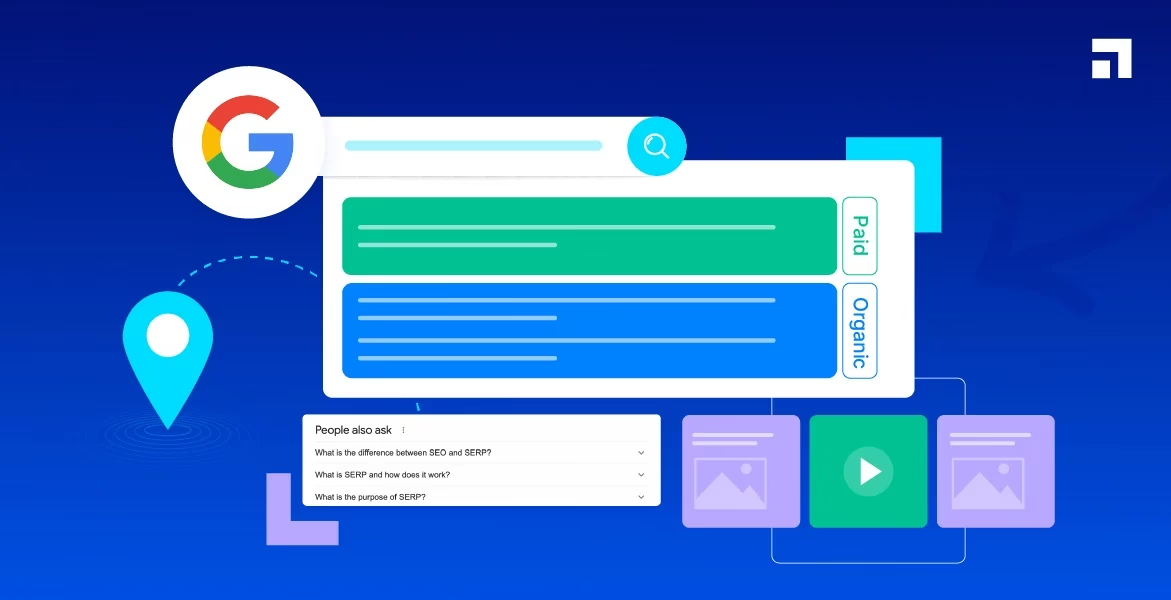
The page shown by search engines, such as Google, when an individual types a query, is called a SERP (Search Engine Results Page). It combines organic search, sponsored content, and enhanced search features to deliver the most timely information as quickly as possible.
A typical SERP contains:
1. Organic search results (SEO-based).
2. Paid advertising (through advertisement sites such as Google Ads)
3. Featured snippets
4. Local listings
5. News, videos and pictures.
6. How the Search Engine Results Page Operates.
Search engines are used to create SERPs in three major steps:
1. Crawling
Engaging the internet, search engines identify new materials and updated ones by applying bots (or spiders). Well-developed web pages are readily crawled.
2. Indexing
The content is stored in a large database. Relevant content development using the relevant keywords enables search engines to know what your page is all about.
3. Ranking
When someone searches, search engines rank pages in search results based on relevance, authority, and user experience. This is where SEO is important.
Key Elements of SERP
1. Organic Results
These are free listings generated through highly search-engine-optimised practices, such as keyword optimisation and high-quality content.
2. Paid Ads
The advertising and management strategies of Meta Ads help businesses to be ranked as the first results on SERP immediately.
3. Featured Snippets
Rapid answers are shown at the top of the page, which is commonly referred to as position zero, enhancing visibility.
4. Local SEO Results
It is much more important when companies focus on local geographical locations, and particularly in the case of media marketing campaigns.
The Importance of SERP to Your Business.
Knowledge in SERP would be useful in understanding:
1. Increasing website traffic
2. Improving brand visibility
3. Improving the social media marketing plan.
4. Creating a higher ROI by using social media campaigns.
High appearance on SERP will make your business visible to the right person at the right time.
The Question of Improving SERP Ranking.
The following are some of the practical ways to improve your performance:
1. Narrow down to high-quality content creation.
2. Your website strong in SEO practices.
3. Apply dynamic and quick web development.
4. Invest in specific advertisement.
5. Use Meta Ads to manage paid campaigns.
6. Make your efforts meet a massive social media marketing plan.
7. Carry out integrated social media campaigns to generate traffic.
8. Digital Agency Impact on SERP Development.
A business can use the help of a professional digital agency to:
1. Plan keyword strategies.
2. Optimise websites.
3. Manage paid ads.
4. Carry out comprehensive media marketing campaigns.
They integrate SEO, paid advertising, and social media to ensure high visibility in search results.
Conclusion
SERP is not only a list of search results but also a competitive environment where companies struggle to capture market attention. With good search optimisation, content development, advertising and an effective social media marketing strategy, you will be able to control search rankings and expand your online presence.
Understanding the SERP mechanism is the first step toward developing a strong online brand.