
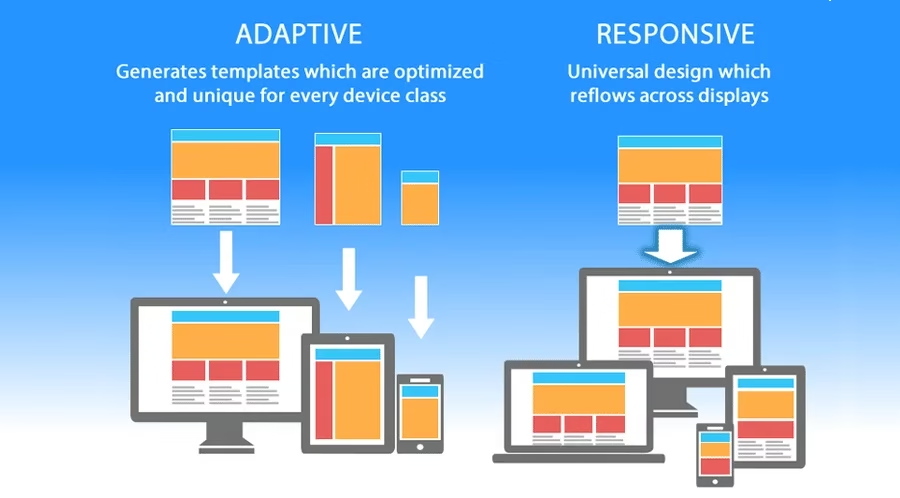
The modern digital-first world has a user base that accesses websites on various devices, including smartphones, tablets, laptops, and desktops. This is where responsive web design comes in. It ensures a site adapts to various screen sizes so users can view it optimally.
Responsive Web Design: What is it?
Responsive web design is a web development methodology that enables a website to adapt its layout, images, and functionality based on the device used. A responsive design uses flexible grids, layouts, and CSS media queries, rather than creating separate mobile and desktop versions, to deliver a consistent experience across all devices.
What is the Importance of Responsive Web Design?
1. Enhanced User Experience
A responsive site will provide easy navigation, readability, and shorter loading times. This enhances user satisfaction, which is vital in the effective creation of content and engagement.
2. Better SEO Performance
Online search engines prioritise mobile-friendly sites. Responsive design has a direct influence on your search engine rankings because it lowers bounce rates, as well as leads to more time spent on your web page.
3. Prevents Social Media Marketing
The majority of users engage with the brands through mobile gadgets. It can be social media marketing, media marketing, or social media campaigns, but having a responsive website would make sure that traffic arriving via social media sources, such as Instagram or Facebook, gets a smooth experience.
4. Economical for Businesses
Having a mobile-responsive site is more effective than having desktop and mobile sites. This saves time and money on development, as well as performance, for any digital agency.
5. Boosts Conversion Rates
The user interface should be easy to use and attractive such that it gives users the compulsion to act upon it, be it purchasing something, completing a form, or viewing the advertisement campaigns of your brand.
6. The keys to paid advertising
In cases where paid advertisements are being run, such as Meta Ads management, landing pages should be responsive. When people open an advertisement and visit a bad page, they can miss out on a conversion and lose considerable money on the ad.
Responsive Design and Its Role in the Social Media Marketing Strategy.
The success of a powerful social media marketing plan revolves around how the users would engage with your site after clicking on your materials. Responsive web design will make sure that your campaigns, advertisements, and posts in social media are not in vain.
Conclusion
Web design will not be optional anymore; it is a necessity. It is a linkage between the entirety of digital growth, web development and content production, and SEO, advertising, and social media marketing. Responsive design is the solution in ensuring that any contemporary digital agency provides powerful and outcome-based online encounters.
Through responsive web design, businesses would be competitive and enhance user interaction as well as maximise the value of their digital presence.